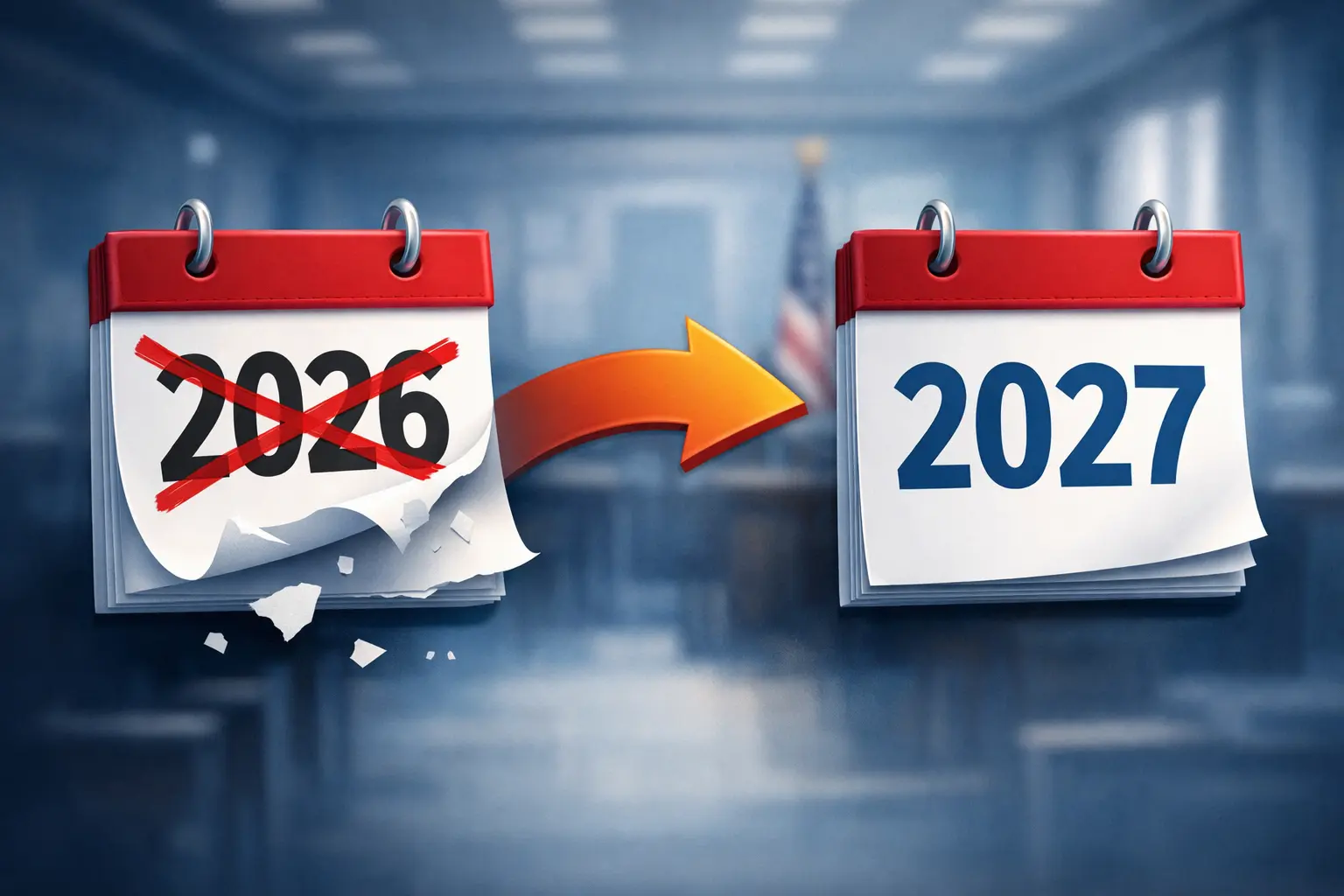
On April 17, 2026, the U.S. Department of Justice published an interim final rule pushing the ADA Title II web and mobile accessibility deadlines back by one year.
What changed
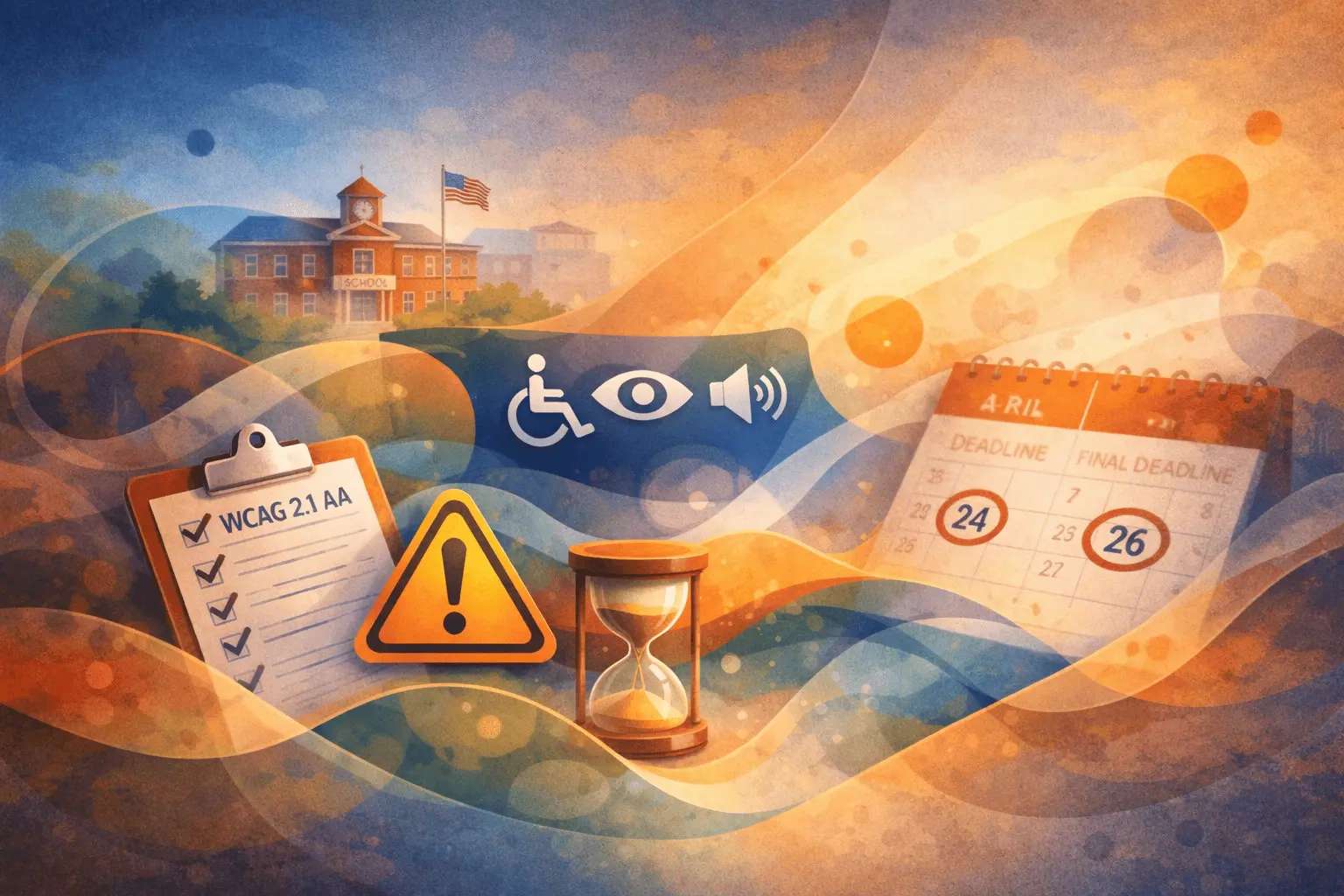
- Public entities serving populations of 50,000 or more: now April 26, 2027 (was April 24, 2026).
- Public entities serving populations under 50,000, and all special district governments: now April 26, 2028 (was April 26, 2027).
The technical standard is still WCAG 2.1 Level AA. The scope is still web content and mobile apps, including anything provided through contracts or licensing. Only the dates moved.
What did not change
The underlying Title II obligation to provide accessible services has been in place for more than thirty years. Private lawsuits are still possible, with injunctive relief and attorneys' fees on the table. And DOJ has signaled it may issue a new proposed rule during the extension period, possibly one specific to K-12 schools. Until something actually replaces the current rule, WCAG 2.1 AA is the standard to plan around.
Why DOJ extended the deadline
DOJ wrote that it "overestimated the capabilities (whether staffing or technology) of covered entities to comply with the rule in the time frames provided." It acknowledged that generative AI cannot yet reliably automate remediation at scale, and that districts continue to face real staffing and budget constraints. The delay is not a signal that accessibility matters less. It is an acknowledgment that the original timeline collided with reality.
What districts should do now
A delay is not a pause. The districts that benefit most from the extra year will be the ones that use it.
Keep auditing websites, PDFs, videos, and apps. Prioritize student-facing materials, enrollment forms, board policies, and special education documents. Build accessibility into procurement and content creation so new content does not become tomorrow's remediation backlog. Document your progress, because good-faith effort is the strongest defense if a complaint is filed.
More time, same destination. Every student deserves access to the digital content their school provides.